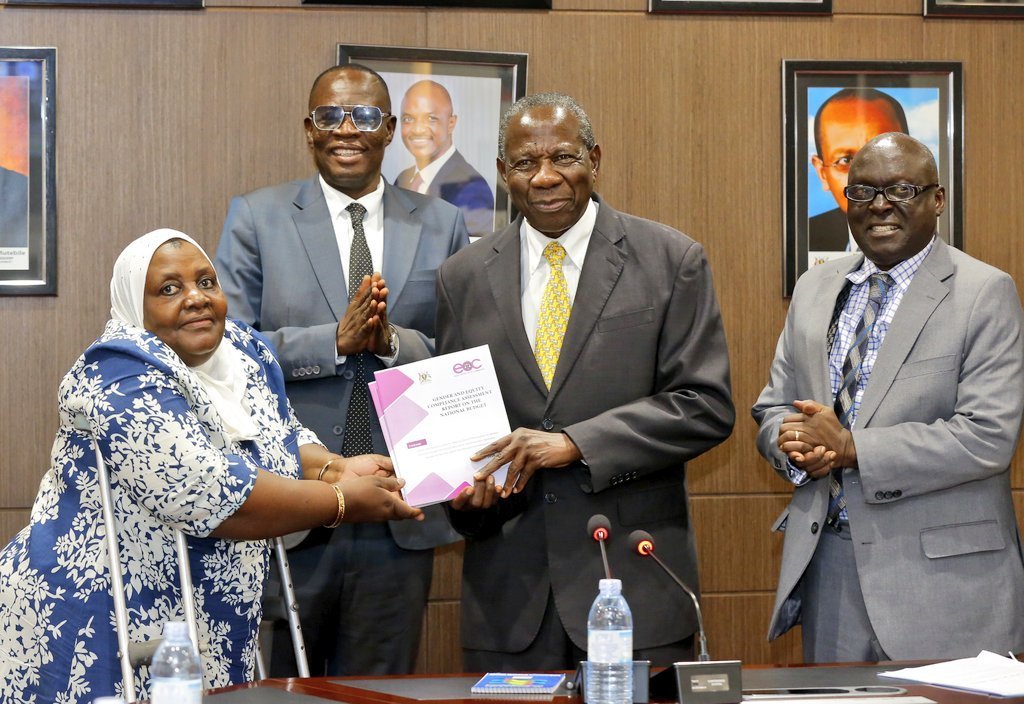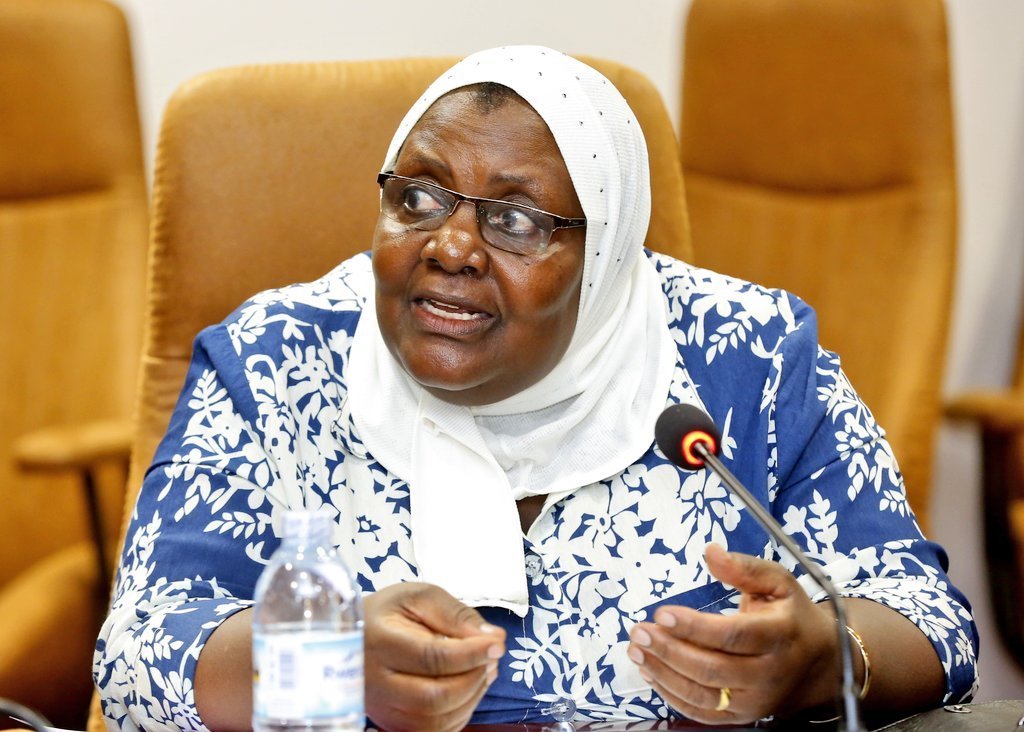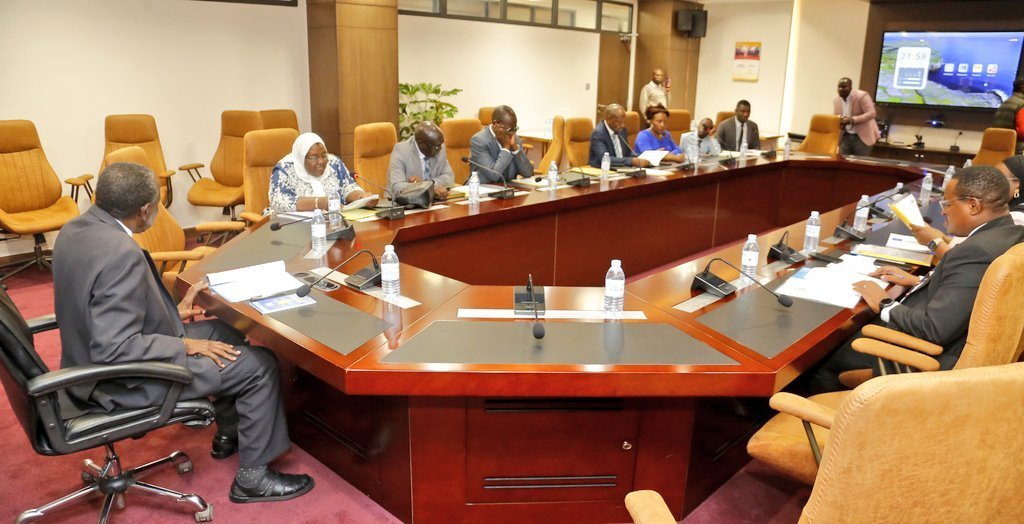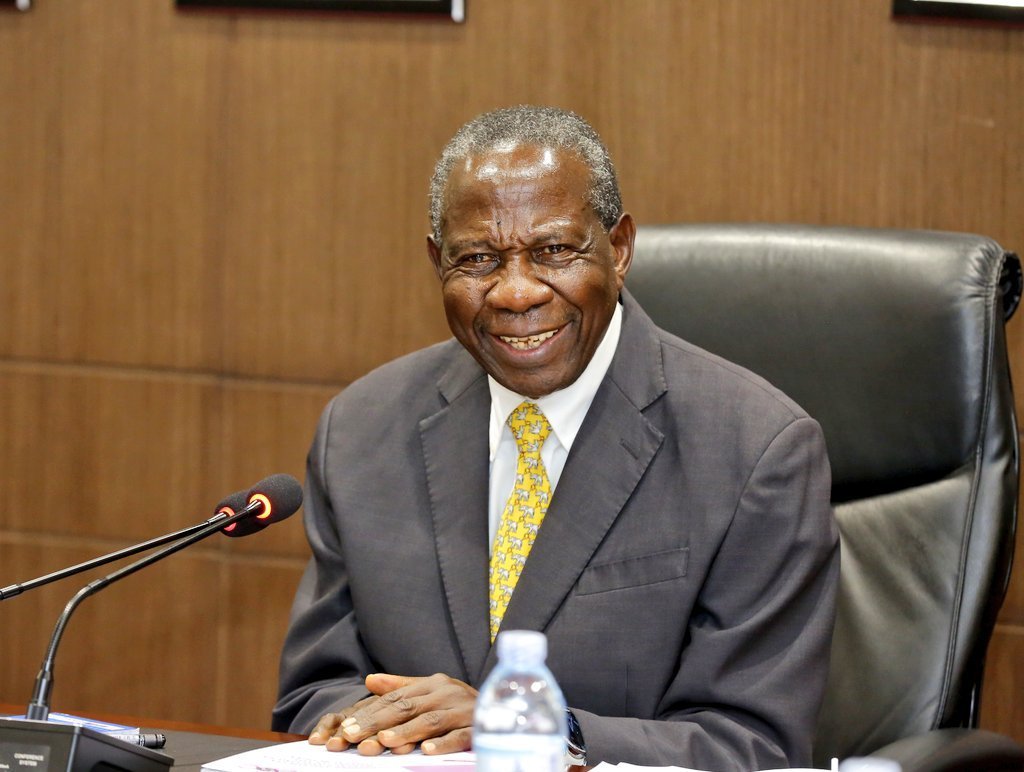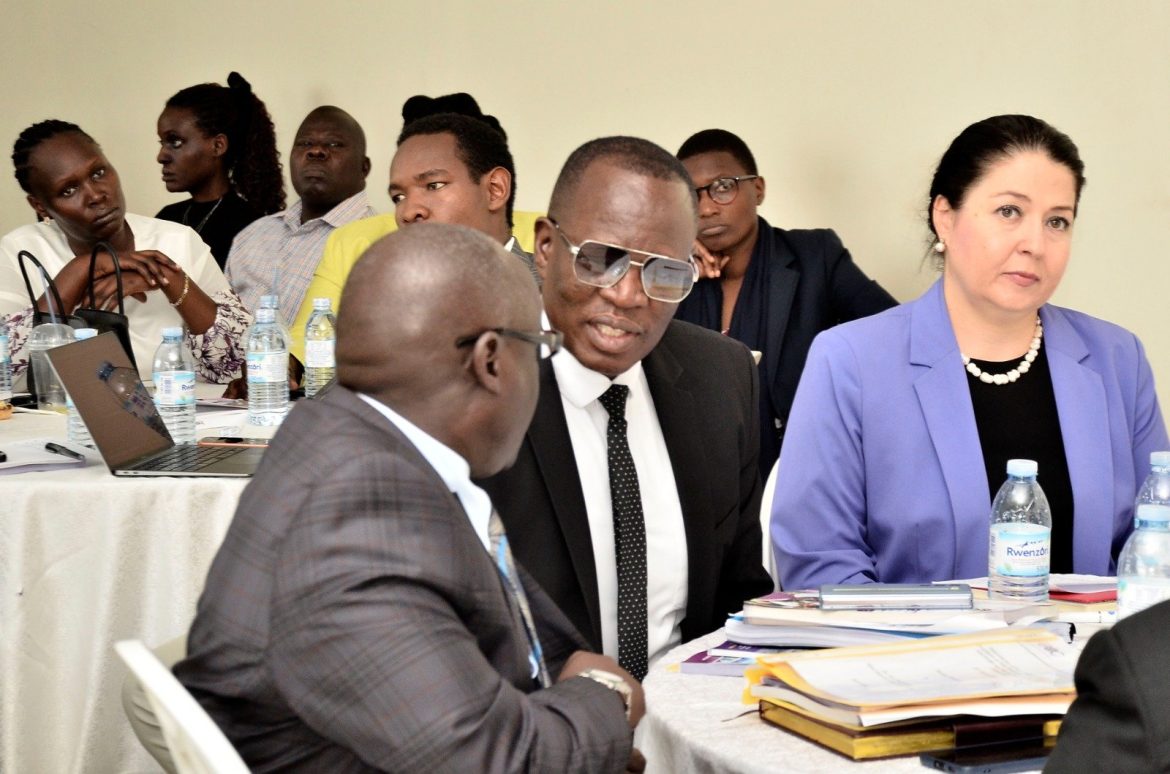
The Equal Opportunities Commission successfully hosted the dissemination meeting for the Assessment Report on Compliance of Vote Ministerial Policy Statements (MPSs) with Gender and Equity Requirements for the Financial Year 2026/2027, reaffirming Uganda’s commitment to inclusive governance and equitable national development.
The meeting brought together representatives from various Government Ministries, Departments and Agencies (MDAs), development partners, and key stakeholders committed to advancing gender and equity-responsive planning and budgeting in Uganda.
The event was graced by the Guest of Honour, H.E. Dr. Katja Kerschbaumer, Head of the Austrian Embassy in Uganda. Also in attendance were the Vice Chairperson of the Commission, Mr. Joel Cox Ojuku; the Secretary to the Commission, Dr. Shaft Nasser Mukwaya; the Commissioner for Compliance and Enforcement, Mr. Mugisha James; and the Commissioner for Education, Training, Information and Communication (ETIC), Mr. Kamya Julius.
Presenting the findings of the assessment, the Commission highlighted significant progress in compliance with gender and equity requirements across government institutions. Out of 149 Ministerial Policy Statements assessed, all votes attained the minimum qualifying score of 50 percent. The national average compliance performance improved from 68 percent to 70 percent, reflecting steady progress in mainstreaming gender and equity considerations into public planning and budgeting processes.
The report further underscored Government’s continued commitment to inclusive development through gender and equity-responsive budgeting, aligned with the objectives of the National Development Plan (NDP) IV and Uganda Vision 2040. Stakeholders noted that integrating gender and equity priorities into government programmes remains critical in ensuring that no Ugandan is left behind in the country’s development agenda.
A major highlight of the report was the substantial investment in wealth creation initiatives aimed at improving livelihoods and reducing socio-economic inequalities. Approximately UGX 2.087 trillion has been allocated to programmes such as the Parish Development Model (PDM), GROW, Emyooga, and youth skilling initiatives. These interventions are expected to expand economic opportunities for women, youth, persons with disabilities, and other vulnerable groups across the country.
The assessment also examined how MDAs are planning and budgeting to address the unique needs of marginalised populations in order to promote balanced and equitable national development. The findings demonstrated growing recognition among institutions of the importance of inclusive service delivery and targeted interventions.
Despite the positive progress recorded, the report identified several emerging issues that require urgent attention. These include fiscal indiscipline, inadequate consideration of regional disparities, non-adherence to reservation schemes, and delays in the submission of Ministerial Policy Statements. The Commission emphasised the need for stronger accountability mechanisms and timely compliance to enhance the effectiveness of gender and equity interventions.
Speaking during the dissemination meeting, stakeholders reaffirmed the importance of collective action in advancing equality and social justice in Uganda. The engagement provided an important platform for dialogue, reflection, and renewed commitment towards strengthening gender and equity compliance within public institutions.
The Equal Opportunities Commission expressed appreciation to all Ministries, Departments and Agencies for their continued collaboration and dedication to promoting gender and equity in Uganda’s development processes. The Commission reiterated that achieving inclusive and sustainable national development requires deliberate efforts to ensure equal opportunities for all citizens.
As Uganda continues implementing its national development priorities, the Commission remains committed to monitoring, guiding, and supporting institutions in mainstreaming gender and equity considerations into planning and budgeting processes for a more inclusive future.
#EqualOpportunitiesForAll